
Introduction
Sustainable Transportation is becoming a major topic in daily life, cities, and global planning. As populations grow and travel needs increase, traditional transport systems create serious problems. These include air pollution, traffic congestion, rising fuel costs, and climate change impacts. Because of this, many people are now searching for cleaner and smarter ways to move from one place to another.
Sustainable Transportation focuses on reducing harm to the environment while still meeting human mobility needs. It supports economic growth, protects natural resources, and improves quality of life. From walking and cycling to electric vehicles and public transit, these solutions are designed to be efficient and responsible. They also help reduce dependence on fossil fuels, which are limited and harmful.
What is Sustainable Transportation?
Sustainable Transportation refers to transport systems that meet current mobility needs without harming future generations. It balances environmental protection, social fairness, and economic efficiency.
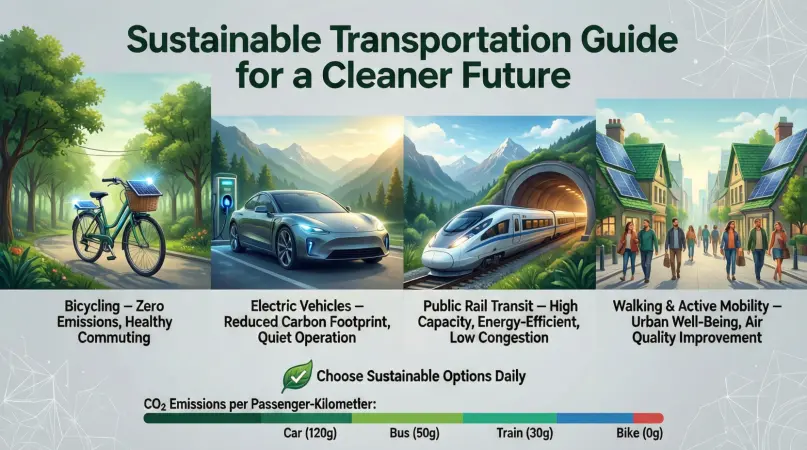
This type of transportation reduces pollution, saves energy, and uses resources wisely. It includes methods that produce fewer emissions and encourage healthier lifestyles. Examples include public buses, trains, bicycles, electric cars, carpooling, and walking.
Unlike traditional transport, which relies heavily on petrol and diesel, sustainable options focus on renewable energy and efficiency. The goal is not to stop movement but to improve how movement happens. Cities, governments, and individuals all play important roles in making transportation more sustainable.
In simple terms, it means traveling in ways that are cleaner, safer, affordable, and better for the planet and people.
Why is Sustainable Transportation Important?
Transportation is one of the largest sources of air pollution and greenhouse gas emissions worldwide. This makes Sustainable Transportation essential for environmental protection.
First, it helps fight climate change by reducing carbon emissions. Second, it improves public health by lowering air pollution and encouraging physical activity. Third, it reduces traffic congestion and saves time.
In addition, sustainable transport supports economic stability. Fuel-efficient systems lower energy costs and reduce dependence on imported oil. Communities also benefit from better urban planning and improved accessibility.
For future generations, sustainable transport ensures cleaner air, quieter cities, and healthier living conditions. Without it, environmental damage and resource shortages will continue to grow.
Detailed Step-by-Step Guide
Step 1: Understand Your Travel Needs
Start by analyzing how and why you travel daily. Identify distances, frequency, and purpose.
Consider whether every trip is necessary. Sometimes, combining errands or working remotely can reduce travel needs.
Step 2: Choose Cleaner Transport Options
Replace short car trips with walking or cycling when possible. These options cost nothing and improve health.
For longer distances, use public transportation. Buses and trains carry many people at once, reducing emissions per person.
Step 3: Consider Shared Mobility
Carpooling and ride sharing reduce the number of vehicles on the road. This saves fuel and lowers pollution.
Shared mobility also cuts travel costs and promotes social interaction.
Step 4: Switch to Energy Efficient Vehicles
If you own a car, consider electric or hybrid vehicles. They use less fuel and produce fewer emissions.
Regular maintenance also improves fuel efficiency and vehicle lifespan.
Step 5: Support Sustainable Infrastructure
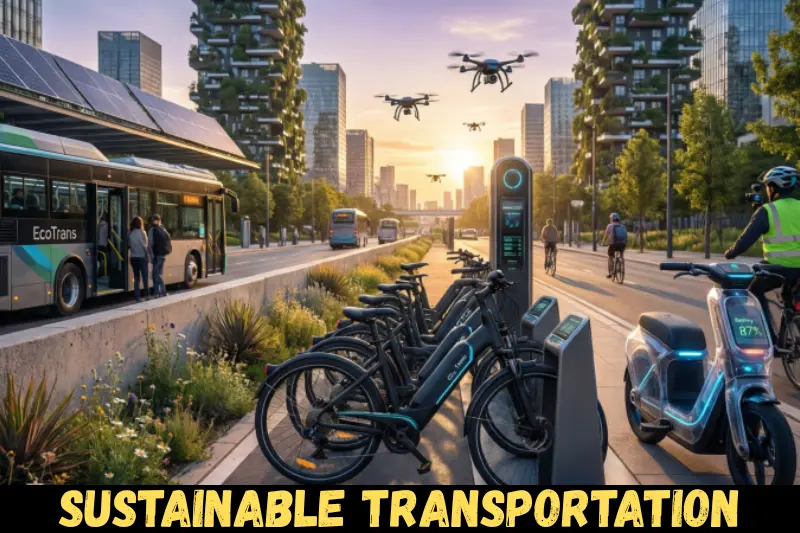
Use bike lanes, pedestrian paths, and public transit systems. Your usage encourages governments to invest more in them.
Community support is key to long-term success.
Step 6: Practice Smart Driving Habits
Avoid aggressive driving, maintain steady speeds, and reduce idling time.
These habits save fuel and reduce wear on vehicles.
Step 7: Advocate and Educate
Share knowledge about Sustainable Transportation with friends and family. Support policies that promote clean transport.
Education creates awareness and long-lasting change.
Benefits of Sustainable Transportation
- Reduces air and noise pollution
- Lowers greenhouse gas emissions
- Saves money on fuel and maintenance
- Improves public health and fitness
- Reduces traffic congestion
- Supports energy independence
- Creates safer and cleaner cities
Disadvantages / Risks
- High initial cost for electric vehicles
- Limited infrastructure in some regions
- Longer travel times in certain cases
- Weather challenges for cycling and walking
- Requires behavior change and planning
Common Mistakes to Avoid
Many people think Sustainable Transportation means giving up comfort. This is not true. Modern solutions are convenient and efficient.
Another mistake is relying on one solution only. A mix of options works best.
Ignoring maintenance of vehicles can also reduce sustainability benefits. Poorly maintained cars pollute more.
Finally, waiting for governments alone to act slows progress. Individual choices matter.
FAQs
What is the main goal of Sustainable Transportation?
The main goal is to reduce environmental impact while meeting transportation needs. It balances efficiency, health, and long-term resource use.
Is Sustainable Transportation expensive?
Some options require initial investment, but many save money over time. Walking, cycling, and public transport are affordable.
Can Sustainable Transportation work in small cities?
Yes, it can work anywhere. Small cities can benefit even more due to shorter distances and less congestion.
Are electric vehicles truly sustainable?
They are more sustainable than traditional cars, especially when powered by renewable energy. Battery production still needs improvement.
How can individuals contribute daily?
People can walk, cycle, use public transport, carpool, and plan trips efficiently. Small actions add up.
Does sustainable transport affect job markets?
Yes, it creates new jobs in clean energy, public transit, and infrastructure development.
Expert Tips & Bonus Points
Start small and stay consistent. Even one or two sustainable trips per week make a difference.
Track your travel habits to identify improvement areas.
Encourage workplaces to support remote work and flexible hours.
Choose housing closer to work or schools when possible.
Support local initiatives focused on clean transport solutions.
Remember that Sustainable Transportation is a journey, not a one-time decision.
Conclusion
Sustainable Transportation is not just a trend. It is a practical and necessary approach to modern mobility. As cities grow and resources become limited, choosing cleaner transport options becomes more important than ever. This approach helps protect the environment, improve health, and support economic stability.
By understanding what sustainable transport means and why it matters, individuals can make informed choices. Simple actions like walking, cycling, using public transport, or sharing rides can significantly reduce pollution. Over time, these choices lead to quieter streets, cleaner air, and healthier communities.