
Introduction
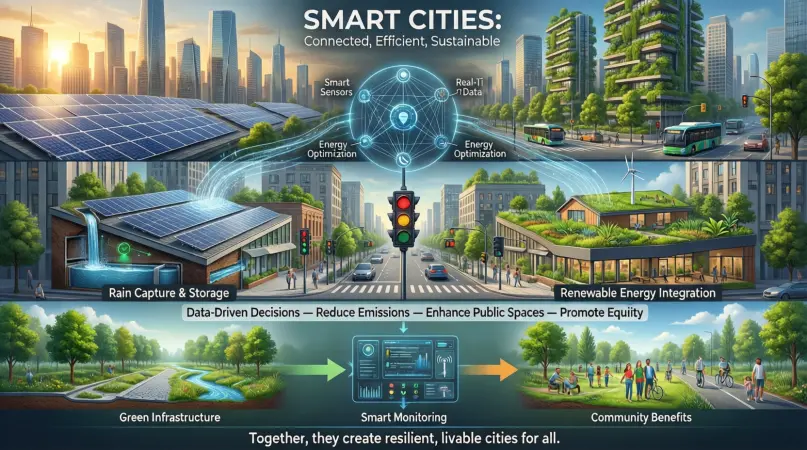
Smart Cities & Green Infrastructure are changing how modern cities are planned, built, and managed. As urban populations grow, cities face challenges like pollution, traffic, energy waste, and poor living conditions. To solve these problems, planners now combine technology with nature in smarter ways. This is where Smart Cities & Green Infrastructure play a major role.
In simple terms, smart cities use digital tools, data, and technology to improve daily life. Green infrastructure focuses on natural systems like parks, green roofs, clean water, and renewable energy. When these two ideas work together, cities become cleaner, safer, and more efficient for everyone.
What is Smart Cities & Green Infrastructure?
Smart Cities & Green Infrastructure refer to a modern approach to urban development that blends technology with nature. The goal is to create cities that are efficient, sustainable, and people-friendly.
A smart city uses tools like sensors, data systems, and automation to manage resources better. For example, smart lighting systems reduce energy use, while digital waste management improves cleanliness.
Green infrastructure focuses on natural and eco-friendly solutions. These include urban forests, green rooftops, rain gardens, clean transport, and renewable energy sources.
Together, Smart Cities & Green Infrastructure help cities reduce environmental damage while improving quality of life. This approach supports long-term urban growth without harming natural resources.
Why is Smart Cities & Green Infrastructure Important?
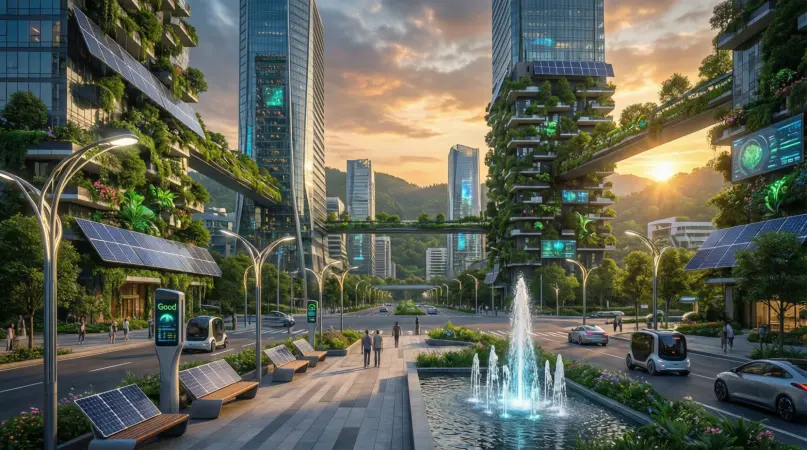
Cities are growing faster than ever. Without smart planning, this growth leads to pollution, congestion, and resource shortages. Smart Cities & Green Infrastructure address these problems directly.
First, they reduce environmental impact by lowering carbon emissions and waste. Green spaces improve air quality and manage stormwater naturally.
Second, they improve efficiency. Smart systems save energy, water, and public funds by using data-driven decisions.
Third, they enhance daily life. Cleaner streets, better transport, and safer neighborhoods make cities more livable.
Most importantly, Smart Cities & Green Infrastructure prepare cities for future challenges like climate change, population growth, and energy demand.
Detailed Step-by-Step Guide
Step 1: Urban Planning and Vision
The process begins with a clear city vision. Leaders define goals such as sustainability, digital access, and environmental protection.
This step includes studying population needs, climate risks, and existing infrastructure.
Step 2: Technology Integration
Smart technologies are added to city systems. These include smart grids, sensors, and data platforms.
Technology helps monitor traffic, energy use, water supply, and public safety in real time.
Step 3: Green Infrastructure Design
Natural solutions are planned alongside technology. Parks, green roofs, and water recycling systems are included.
These features reduce heat, manage water, and improve biodiversity.
Step 4: Sustainable Transportation
Cities invest in clean transport options. Electric buses, bike lanes, and smart traffic systems reduce congestion and pollution.
Public transport becomes more reliable and user-friendly.
Step 5: Community Engagement
Citizens are involved through digital platforms and public programs. Feedback helps improve services.
Education encourages people to support sustainable habits.
Step 6: Continuous Monitoring and Improvement
Data is analyzed to improve performance. Systems are updated regularly.
This step ensures Smart Cities & Green Infrastructure remain effective over time.
Benefits of Smart Cities & Green Infrastructure
- Lower energy and water consumption
- Reduced pollution and carbon emissions
- Improved public health and well-being
- Cost savings for governments and citizens
- Better traffic management and mobility
- Increased green spaces and biodiversity
- Higher quality of urban life
- Stronger resilience to climate change
Disadvantages / Risks
- High initial investment costs
- Data privacy and security concerns
- Technology maintenance challenges
- Unequal access to smart services
- Need for skilled workforce
- Risk of system failures
- Resistance to change from communities
Common Mistakes to Avoid
Many cities rush into smart projects without proper planning. This leads to wasted resources and poor results.
Another mistake is focusing only on technology while ignoring green solutions. Smart Cities & Green Infrastructure must work together.
Ignoring citizen needs is also risky. Without public support, projects fail.
Finally, lack of long-term planning can make systems outdated quickly.
FAQs
What are Smart Cities & Green Infrastructure in simple words?
They are cities that use technology and nature together to improve living conditions, save resources, and protect the environment.
Are smart cities only about technology?
No. Technology is important, but green infrastructure like parks and clean energy is equally essential.
How do citizens benefit from smart cities?
Citizens enjoy cleaner air, better transport, safer streets, and lower utility costs.
Are Smart Cities & Green Infrastructure expensive?
They require high initial investment, but they save money over time through efficiency and reduced waste.
Can small cities adopt this approach?
Yes. Even small cities can use simple smart systems and green solutions effectively.
How do these cities help the environment?
They reduce pollution, manage resources wisely, and support natural ecosystems.
Expert Tips & Bonus Points
Start with small projects before expanding citywide. Pilot programs reduce risk.
Focus on data security from the beginning. Trust is essential.
Balance technology with nature for best results.
Train local staff to manage systems efficiently.
Encourage public participation through education and transparency.
Conclusion
Smart Cities & Green Infrastructure represent the future of urban living. As cities grow, traditional systems can no longer meet modern demands. By combining digital innovation with natural solutions, cities can become more sustainable, efficient, and livable.
This approach is not just about advanced technology. It is about people, health, and the environment. Green spaces cool cities, smart systems save resources, and data-driven planning improves services. Together, they create balanced urban environments.