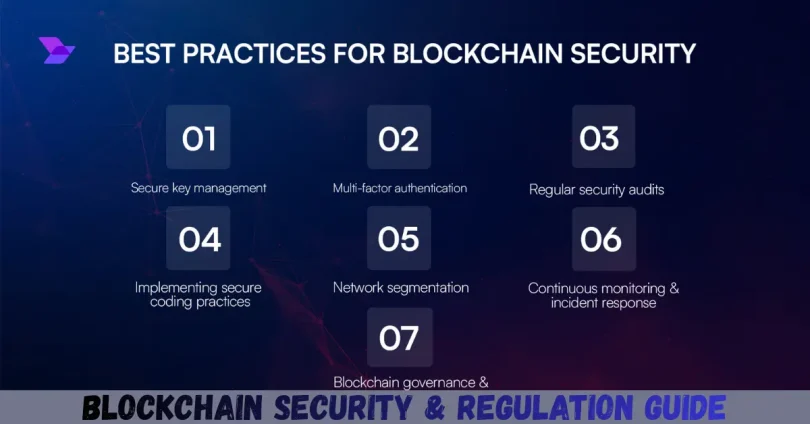

Introduction
Blockchain technology has emerged as one of the most transformative innovations in recent years. While it started as the backbone of cryptocurrencies like Bitcoin, its potential goes far beyond digital money. Today, businesses, governments, and developers are exploring blockchain for applications ranging from supply chain management to secure voting systems. However, with this rise comes significant challenges. Blockchain security and regulation have become crucial topics for anyone involved in this space.
Security in blockchain is unique. Unlike traditional systems, blockchain relies on decentralized networks and cryptography to protect data. This means that no single authority controls the system, making it highly resistant to certain types of cyberattacks. At the same time, it also introduces new vulnerabilities that require careful attention.
What is Blockchain Security & Regulation?
Blockchain security refers to the practices, tools, and strategies used to protect blockchain networks from attacks, theft, and data breaches. It focuses on ensuring that transactions are safe, data is immutable, and networks remain decentralized and trustworthy. Security measures include cryptography, consensus algorithms, multi-signature wallets, and smart contract audits.
Regulation in blockchain involves legal frameworks, compliance rules, and government oversight that guide how blockchain networks operate. Regulation aims to prevent money laundering, fraud, and illegal activities while protecting investors and maintaining public trust. Regulatory measures can include licensing requirements, taxation guidelines, reporting obligations, and privacy rules.
When combined, blockchain security and regulation create a safer ecosystem for users and developers. Security protects the technology itself, while regulation ensures that its use aligns with legal and ethical standards. Together, they reduce risks and encourage wider adoption of blockchain solutions across industries.
Why is Blockchain Security & Regulation Important?
Blockchain security and regulation are critical for several reasons:
- Protecting Digital Assets: Millions of dollars are stored in blockchain-based wallets and platforms. Security ensures these assets remain safe from hackers and malicious attacks.
- Preventing Fraud: Blockchain systems handle sensitive financial transactions. Without regulation, fraudulent schemes, scams, and Ponzi schemes can thrive.
- Maintaining Trust: Users trust blockchain for its transparency and immutability. Strong security and clear regulations ensure that this trust is preserved.
- Encouraging Adoption: Companies and governments are more likely to adopt blockchain technology when there are clear rules and safety measures in place.
- Legal Compliance: Regulations help businesses comply with laws, avoiding fines and legal challenges. They also provide clarity on taxation and reporting.
- Mitigating Risks: Even with strong security, vulnerabilities exist in smart contracts, decentralized applications (dApps), and exchanges. Regulation helps minimize these risks by setting standards and guidelines.
Without proper security and regulation, blockchain could face setbacks such as data breaches, theft, or regulatory crackdowns. Understanding these aspects is essential for anyone involved in blockchain investments, development, or operations.
Detailed Step-by-Step Guide to Blockchain Security & Regulation
Securing a blockchain environment and complying with regulations may seem complex, but following a systematic approach can simplify the process. Here’s a step-by-step guide:
Step 1: Understand Blockchain Architecture
Before implementing security measures, you need to understand the blockchain network you are working with.
- Learn about the type of blockchain (public, private, or consortium).
- Understand consensus mechanisms like Proof of Work (PoW) or Proof of Stake (PoS).
- Identify nodes, wallets, smart contracts, and transaction flow.
Example: Bitcoin uses PoW and a public ledger, making it highly secure but energy-intensive. Ethereum is transitioning to PoS, which offers efficiency but requires a different security approach.
Step 2: Implement Strong Cryptography
Cryptography is the foundation of blockchain security.
- Use advanced hashing algorithms like SHA-256 or Keccak-256.
- Encrypt private keys securely.
- Utilize digital signatures to validate transactions.
Example: Multi-signature wallets require multiple approvals before funds are transferred, adding an extra layer of security.
Step 3: Conduct Smart Contract Audits
Smart contracts are self-executing programs that run on blockchain networks.
- Regularly audit smart contracts for bugs and vulnerabilities.
- Use automated tools like Mythril or Slither for vulnerability scanning.
- Consider third-party security audits for critical applications.
Example: The DAO hack in 2016 was caused by a flaw in a smart contract, resulting in a loss of $60 million. Proper auditing could have prevented it.
Step 4: Choose Reliable Blockchain Platforms and Wallets
Not all platforms offer the same security features.
- Select blockchain networks with proven track records.
- Use wallets with multi-factor authentication.
- Keep private keys offline whenever possible (cold wallets).
Example: Hardware wallets like Ledger or Trezor are safer for long-term storage compared to software wallets.
Step 5: Stay Updated with Security Patches
Blockchain software is constantly evolving.
- Install updates for wallets, nodes, and smart contracts regularly.
- Monitor security advisories from platform developers.
- Patch vulnerabilities promptly to prevent exploitation.
Step 6: Understand Regulatory Compliance
Each country has its own rules for blockchain and cryptocurrency.
- Learn local regulations regarding cryptocurrency trading, taxation, and reporting.
- Ensure your blockchain application complies with Anti-Money Laundering (AML) and Know Your Customer (KYC) requirements.
- Consider obtaining legal advice if you operate across multiple jurisdictions.
Example: The European Union’s MiCA framework sets clear rules for crypto asset service providers, ensuring transparency and consumer protection.
Step 7: Implement Risk Management Strategies
Risk management is essential for both security and compliance.
- Diversify asset storage across multiple wallets.
- Limit access rights to critical nodes and systems.
- Prepare contingency plans for hacks or regulatory changes.
Example: Exchanges often keep only a small portion of funds in hot wallets while storing the majority in cold wallets to reduce risk.
Step 8: Educate Users and Team Members
Human error is a major cause of security breaches.
- Train employees on safe practices, such as phishing prevention.
- Educate users about secure wallet management and private key safety.
- Promote awareness about scams and fraud.
Benefits of Blockchain Security & Regulation

Implementing strong security and following regulations offers multiple advantages:
- Data Protection: Ensures sensitive information is safe from unauthorized access.
- Fraud Prevention: Reduces the chances of scams, hacks, and illegal transactions.
- Investor Confidence: Attracts investors by showing the network is secure and compliant.
- Operational Efficiency: Well-regulated systems run smoothly without legal interruptions.
- Market Growth: Encourages adoption in businesses, governments, and financial institutions.
- Legal Clarity: Avoids fines, penalties, or shutdowns due to non-compliance.
- Sustainable Development: Supports the long-term growth of blockchain technology.
Disadvantages / Risks of Blockchain Security & Regulation
Even with security and regulations, some challenges remain:
- High Costs: Audits, regulatory compliance, and security tools can be expensive.
- Complexity: Implementing security measures requires technical knowledge.
- Slow Innovation: Over-regulation may limit experimentation and development.
- Vulnerabilities: Smart contracts, nodes, and wallets may still be attacked.
- Regulatory Uncertainty: Laws can change rapidly, creating compliance risks.
- Limited Privacy: Regulations like KYC may compromise user anonymity.
Common Mistakes to Avoid
When working with blockchain security and regulation, avoid these common mistakes:
- Ignoring Updates: Outdated software can be vulnerable to attacks.
- Weak Passwords and Keys: Poor key management can lead to hacks.
- Skipping Smart Contract Audits: Unchecked contracts may contain exploitable bugs.
- Neglecting Regulatory Research: Failing to understand local laws can result in fines.
- Over-Reliance on Single Wallets: Storing all funds in one place increases risk.
- Ignoring User Education: Users unaware of security risks are more likely to fall victim to scams.
- Underestimating Phishing Attacks: Even experienced users can be tricked without awareness.
FAQs About Blockchain Security & Regulation
1. Is blockchain completely secure?
While blockchain is highly secure due to decentralization and cryptography, it is not immune to attacks. Vulnerabilities in wallets, smart contracts, or exchanges can still be exploited. Security measures and audits are essential.
2. Do all countries regulate blockchain?
No, regulation varies widely. Some countries have strict laws, while others are more relaxed or have no formal regulation. It’s crucial to know local rules before trading or developing blockchain applications.
3. What is the difference between blockchain security and cybersecurity?
Cybersecurity covers all online security, including websites, networks, and software. Blockchain security is specific to protecting blockchain networks, smart contracts, and digital assets.
4. How can I keep my cryptocurrency safe?
Use hardware wallets, enable multi-factor authentication, avoid phishing links, and keep private keys offline. Diversifying assets across multiple wallets also reduces risk.
5. Why is regulation important for blockchain adoption?
Regulation protects users, prevents fraud, and creates legal clarity. This builds trust among businesses and investors, encouraging widespread adoption.
6. Can smart contracts be hacked?
Yes, vulnerabilities in smart contracts can be exploited. Regular audits, security testing, and using verified templates help minimize risks.
7. Are decentralized exchanges safer than centralized ones?
Decentralized exchanges reduce the risk of a single point of failure, but they require careful management of private keys and awareness of smart contract risks.
8. What is KYC and why is it required?
KYC (Know Your Customer) verifies the identity of users to prevent fraud, money laundering, and illegal activities. Most regulated blockchain platforms require KYC compliance.
Expert Tips & Bonus Points
- Always keep multiple backups of private keys in secure locations.
- Stay updated on emerging blockchain threats and vulnerabilities.
- Follow regulatory news to anticipate changes in compliance requirements.
- Consider using multi-signature wallets for business transactions.
- Limit the amount of cryptocurrency stored in hot wallets.
- Participate in security audits and bug bounty programs to strengthen systems.
- Use privacy-focused tools carefully to balance security and compliance.
- Educate teams regularly to maintain a culture of security awareness.
Conclusion
Blockchain security and regulation are the backbone of a trustworthy and sustainable blockchain ecosystem. Security protects networks from attacks and ensures the integrity of transactions, while regulation ensures compliance, protects investors, and fosters broader adoption. Both elements work together to create a safe and reliable environment for blockchain users, developers, and businesses.
Understanding these concepts is essential for anyone involved in blockchain. By implementing strong cryptography, conducting audits, following regulatory guidelines, and educating users, you can reduce risks and leverage the full potential of blockchain technology. While challenges exist, careful planning, ongoing learning, and proactive risk management make blockchain a secure and legally compliant space for innovation.