
Introduction
Renewable Energy is changing how the world produces and uses power. Today, many people want cleaner, safer, and more reliable energy options. Traditional fuels like coal and oil are limited and harmful to the environment. Because of this, Renewable Energy has become an important topic for homes, businesses, and governments. It uses natural sources that do not run out easily and cause less pollution.
Renewable Energy includes power from the sun, wind, water, and heat from the earth. These sources are available in many parts of the world and can be used again and again. As technology improves, Renewable Energy systems are becoming more affordable and easier to use. This makes them suitable not only for experts but also for beginners who want to understand the basics.
What is Renewable Energy?
Renewable Energy refers to energy created from natural sources that are constantly renewed. These sources do not get used up when energy is produced. Unlike fossil fuels, they are sustainable over a long period.
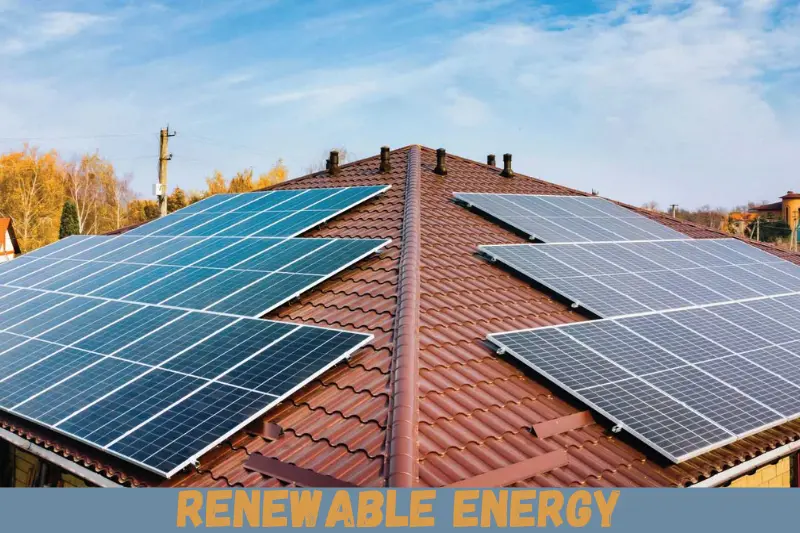
Common types of renewable sources include sunlight, wind, flowing water, biomass, and geothermal heat. Solar panels turn sunlight into electricity. Wind turbines use moving air to generate power. Hydropower systems use flowing water, while biomass uses organic materials. Geothermal systems use heat from beneath the earth.
Renewable Energy systems produce little or no harmful emissions. This makes them cleaner than traditional energy sources. They also reduce dependence on imported fuels. As a result, many countries see Renewable Energy as a long term solution for energy security and environmental protection.
Why is Renewable Energy Important?
Renewable Energy is important for several reasons. First, it helps protect the environment. Burning fossil fuels releases gases that cause air pollution and global warming. Clean energy reduces these harmful effects.
Second, Renewable Energy supports energy independence. Countries can use their own natural resources instead of relying on imported fuels. This improves national security and economic stability.
Third, Renewable Energy creates jobs. From manufacturing to installation and maintenance, clean energy industries employ millions of people worldwide. These jobs often support local communities.
Finally, Renewable Energy supports future generations. Since these resources do not run out easily, they ensure a steady energy supply for years to come. This makes Renewable Energy a responsible choice for long term planning.
Detailed Step-by-Step Guide
Step 1: Understand Your Energy Needs
Start by knowing how much energy you use daily. Check electricity bills to see usage patterns. This helps decide which renewable option fits best.
Homes with high daytime usage may benefit from solar power. Areas with strong winds may suit wind energy. Understanding needs saves money and improves efficiency.
Step 2: Learn About Available Renewable Options
Different regions offer different renewable sources. Solar energy works well in sunny areas. Wind energy is ideal in open spaces. Hydropower needs water flow.
Research local conditions carefully. This step helps avoid poor investments. Local experts or energy audits can provide helpful guidance.
Step 3: Evaluate Costs and Budget
Renewable Energy systems require upfront investment. However, long term savings are often high. Compare installation costs, maintenance expenses, and expected savings.
Many governments offer incentives or tax benefits. These programs reduce costs and make Renewable Energy more affordable for beginners.
Step 4: Choose the Right System Size
System size matters. A small system may not meet needs, while a large one increases costs. Proper sizing ensures balanced performance.
Professionals can calculate the best system size based on usage and location. This step improves efficiency and reliability.
Step 5: Installation and Setup
Installation should be handled by trained professionals. Proper setup ensures safety and performance. Poor installation can reduce system life.
After installation, systems are tested. This confirms that everything works correctly and meets safety standards.
Step 6: Maintenance and Monitoring
Renewable Energy systems need regular checks. Solar panels should be cleaned. Wind turbines require inspections.
Monitoring systems help track performance. Early detection of issues prevents costly repairs and keeps energy production steady.
Benefits of Renewable Energy
- Reduces air and water pollution
- Lowers greenhouse gas emissions
- Provides long term cost savings
- Uses natural and unlimited resources
- Creates local jobs and industries
- Improves energy independence
- Supports sustainable development
Disadvantages / Risks
- High initial installation costs
- Energy output depends on weather
- Requires space for some systems
- Storage solutions can be expensive
- Maintenance needs skilled workers
- Not suitable for all locations
Common Mistakes to Avoid
Many beginners make avoidable mistakes with Renewable Energy. One common error is ignoring energy needs. Installing systems without proper analysis leads to poor results.
Another mistake is choosing cheap equipment. Low quality parts reduce efficiency and lifespan. Always focus on quality and reliability.
Some people skip professional installation. This can cause safety risks and system failures. Expert help ensures correct setup.
Lastly, ignoring maintenance reduces performance. Regular checks keep systems running smoothly and protect investments.
FAQs
What is the most common type of Renewable Energy?
Solar energy is the most widely used. It is easy to install and suitable for many locations. Solar panels work for homes and businesses.
Is Renewable Energy expensive?
Initial costs can be high. However, long term savings often outweigh expenses. Incentives and lower bills reduce overall costs.
Can Renewable Energy power an entire home?
Yes, many homes use Renewable Energy as their main power source. System size and location determine full coverage.
Does Renewable Energy work during bad weather?
Some systems produce less energy during poor weather. Storage solutions and grid connections help manage this issue.
How long do Renewable Energy systems last?
Most systems last twenty to thirty years. Proper maintenance extends their lifespan and efficiency.
Is Renewable Energy reliable?
Yes, with proper design and storage. Modern systems provide stable and consistent energy supply.
Expert Tips & Bonus Points
Start small if unsure. A small solar system allows learning without high risk. Expand later as confidence grows.
Track energy usage regularly. Monitoring helps improve efficiency and spot problems early.
Stay updated on incentives. Government programs change often and can save money.
Choose experienced installers. Skilled professionals ensure safe and efficient systems.
Think long term. Renewable Energy works best as a lasting investment, not a quick fix.
Conclusion
Renewable Energy offers a practical and sustainable solution to modern energy challenges. It provides clean power while protecting the environment and supporting economic growth. As traditional fuels become less reliable and more harmful, Renewable Energy stands out as a smart alternative.
For beginners, understanding the basics is the first step. Learning about energy needs, available options, and costs helps make informed decisions. With proper planning and professional support, clean energy systems can meet daily needs effectively.